 Gebenco
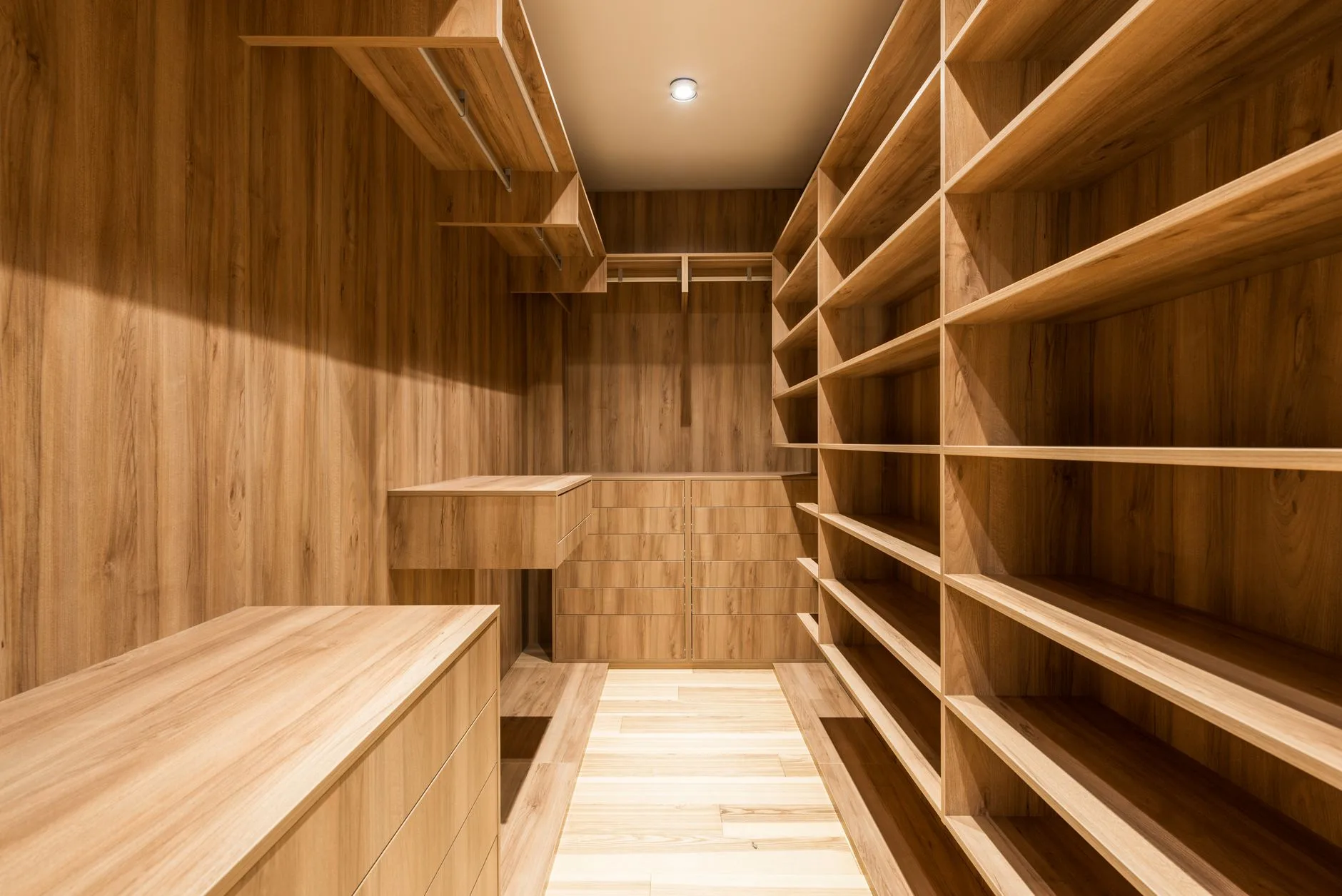
A wardrobe rarely needs more storage — it needs fewer decisions about where things go. The wardrobes that stay tidy are edited to what’s actually worn first, then organised around that smaller set — not organised first and edited never.
Clothes rails: match the rail to the wardrobe, not the other way round
Whether a wall-mounted or freestanding rail suits you best depends on whether the wardrobe itself is fixed or the room needs to be flexible. What matters more than the rail type is grouping by category and colour, so getting dressed is a scan rather than a search.
Shoe organisation: vertical space is the answer
Shoes are one of the few wardrobe items better stored vertically than stacked. A narrow shoe rack or a slim cabinet uses far less floor space than shoes left in a pile, and keeps pairs actually paired rather than scattered.
Accessory organisers: small items need small, defined spaces
Belts, scarves, and ties are easy to lose inside drawers because they’re small enough to slide to the back or bottom. A hanging accessory organiser or a rotating hook system keeps each one visible and easy to select, rather than tangled in a drawer.
Stackable drawers: for what doesn’t need to hang
Not everything belongs on a rail. Foldable items — jumpers, loungewear, underwear — do better in stackable drawer units, particularly in a wardrobe with more height than width, where vertical drawer stacks make better use of the space than a single wide shelf.
A practical order of operations
- Edit first: remove anything not worn in the last year before organising anything.
- Fit clothes rails to match how the wardrobe is actually used, not how it looks empty.
- Move shoes to vertical storage rather than the wardrobe floor.
- Add an accessory organiser for anything currently loose in a drawer.
- Use stackable drawers for foldables, reserving rail space for what needs to hang.
Frequently asked questions
Should I organise before or after decluttering a wardrobe? After. Organising a wardrobe that’s still full of things you don’t wear just makes the clutter tidier, not smaller.
What’s the best way to stop a drawer of accessories becoming a tangled mess? Give each item type its own compartment or hook rather than one shared drawer. Belts, scarves, and ties all tangle differently, and one organiser style rarely suits all three.
Is open or closed wardrobe storage better for staying organised? Open wardrobes hold you more accountable to keeping things tidy, since clutter is visible. Closed wardrobes are more forgiving if the space also needs to look calm regardless of what’s inside.
Explore the Wardrobe collection for the pieces mentioned here, or take the Reset Quiz to find where to start.